Flood Zones in Florida: What Every Homebuyer Should Know
If you’re moving to Florida, one of the most important things to understand is water. With much of the state sitting at or below sea level, flood risk is a reality for many residents. Flood zones don’t just affect safety—they can significantly impact your insurance costs, mortgage approval, and long-term property value.
Here’s what every homebuyer should know before purchasing property in Florida.
Why Florida Flood Zones Matter
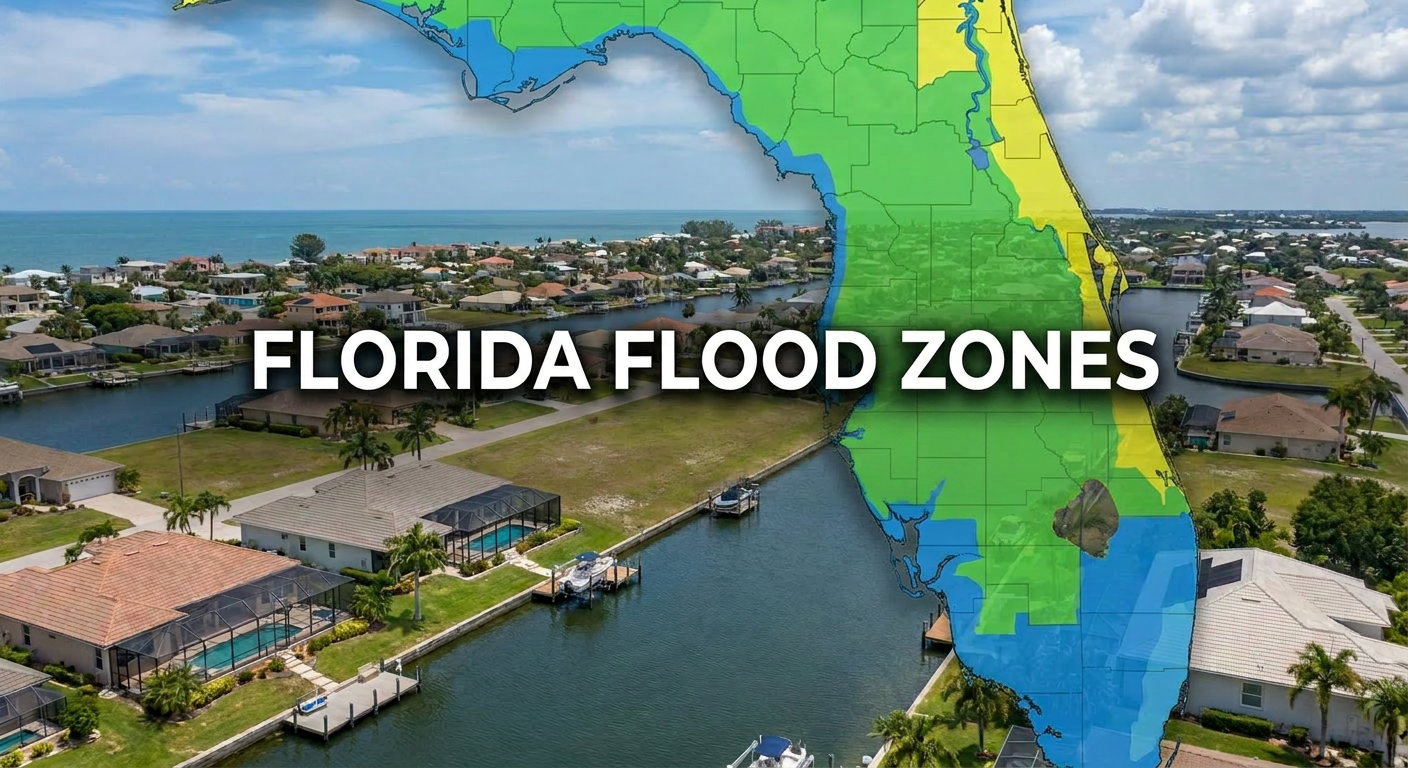
Every property in Florida is assigned a flood zone classification based on its risk of flooding. These zones are determined primarily by FEMA (Federal Emergency Management Agency) and influence several key aspects of homeownership:
● Homes located in Special Flood Hazard Areas (SFHAs) — zones beginning with “A” or “V” — are considered high-risk.
● If you have a federally backed mortgage and the property is in an SFHA, flood insurance is federally required.
● Even without a federal requirement, many private lenders and insurers now require flood coverage.
● Properties in lower-risk zones (typically “X” or “X-shaded”) usually do not require flood insurance, though it is still recommended in many areas.
Your flood zone classification can affect monthly housing costs and whether a mortgage is approved.
Development and Long-Term Risks
Some neighborhoods in Florida have been built on low-lying or previously wet land through elevation, drainage systems, or fill. While these developments may appear safe initially, they can face challenges over time, including:
● Inadequate drainage during extreme rainfall events
● Pump or retention pond failures
● Gradual erosion or subsidence
● Increasing flood risk due to sea level rise and more intense storms
Buyers planning to stay in a home long-term should consider not just current conditions but how the area may perform during major weather events decades from now.
Researching Flood History
Current flood zone maps provide a snapshot but don’t always tell the full story. Before buying, it’s wise to:
● Research historical flooding in the specific neighborhood
● Review how the area has handled past hurricanes, tropical storms, and heavy rainfall
● Check for any recent changes in drainage infrastructure or development nearby
● Speak with neighbors and local professionals when possible
Historical data and recent storm performance often reveal more than maps alone.
Disputing Flood Zone Classifications
Flood zones are mapped by general areas and may not reflect the exact elevation of an individual property. Some homes may be incorrectly classified as higher risk.
Homeowners can challenge their flood zone designation by:
● Hiring a licensed surveyor or engineer
● Obtaining an Elevation Certificate
● Submitting a Letter of Map Amendment (LOMA) or Letter of Map Revision (LOMR) to FEMA
If approved, this process can remove the flood insurance requirement or significantly lower premiums.
Helpful Resources
FEMA Flood Map Service Center: msc.fema.gov – Official flood maps and risk data
National Flood Hazard Layer (NFHL) Viewer – Interactive national mapping tool
County GIS and Property Appraiser websites – Many counties provide address-specific flood and elevation data
Local Planning or Building Department – Useful for zoning, drainage, and flood history
Licensed surveyors or engineers – Can prepare Elevation Certificates and assist with LOMA applications
Final Thoughts
Understanding flood zones is one of the most important steps when buying a home in Florida. Taking time to research current classifications, historical performance, and long-term risks can help you avoid unexpected costs and make a more informed decision.
With accurate information and the right resources, you can protect both your investment and your peace of mind.
Key Takeaways for New Residents
● Flood zone classification affects insurance requirements and financing
● Flood insurance is mandatory for properties in SFHAs with federally backed mortgages
● Newer developments may still carry long-term flood risks due to drainage limitations or climate factors
● Always research historical flooding and recent storm performance, not just current maps
● Flood zone classifications can sometimes be disputed with an Elevation Certificate and LOMA application
● Use official FEMA tools and county resources for the most accurate information
✨ This article is part of the Resident Relocation Guide Series, designed to help new Floridians settle in with confidence and ease.